Environmental Health
Safe and Healthy Environmental Conditions
The Environmental Public Health Specialist promotes safe and healthy environmental conditions for residents and visitors by preventing disease through inspections and consultations.
Call (573) 767-5312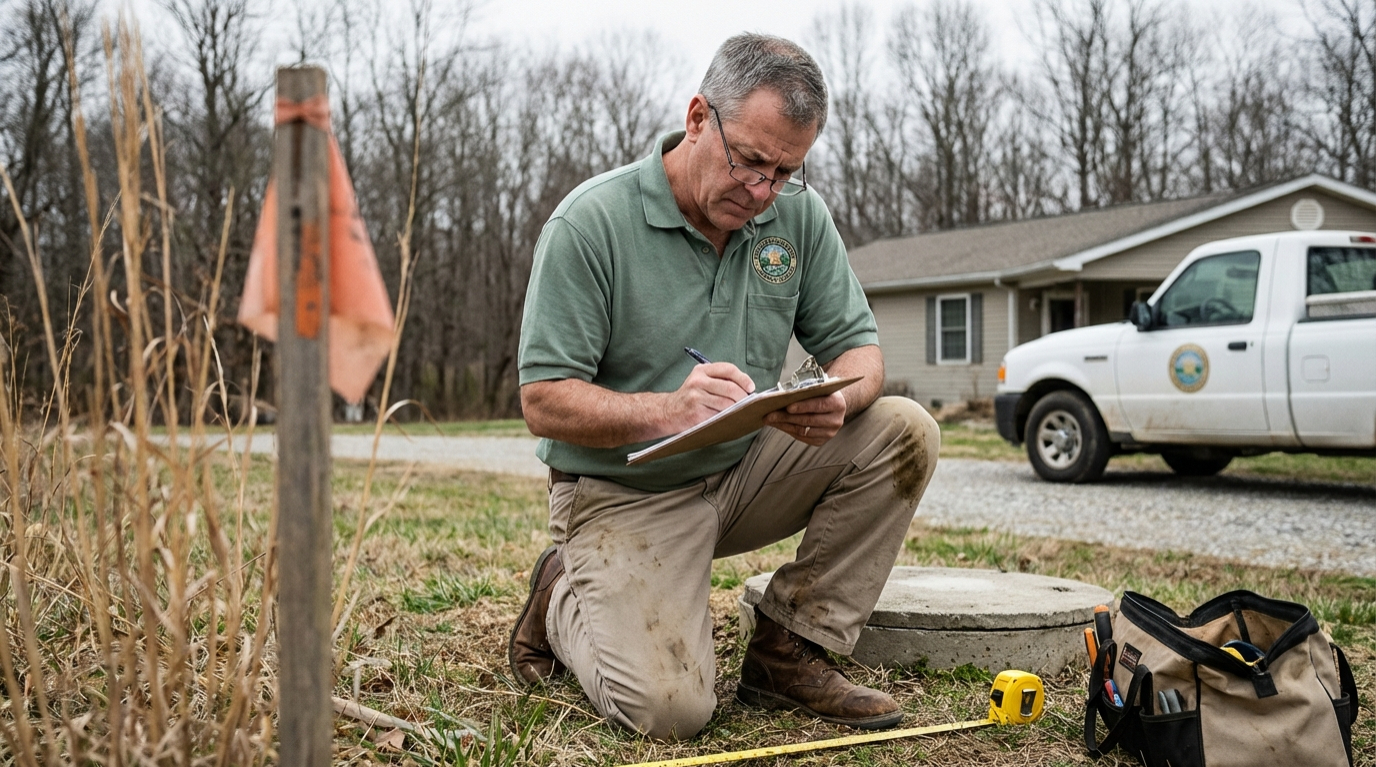
Services Include
Environmental Public Health Services
Food Inspections and Food Safety
The health department conducts food inspections under the authority of the State of Missouri. Food establishments include restaurants, taverns, grocery stores, mobile food units, temporary public food events, convenience stores, and other food retail environments. The department also offers food safety consultations and education.
Food establishment plans for new facilities or major remodels are reviewed for layout. If deficiencies are found during inspection, the establishment is categorized by associated risk factors and given a timeline for correction.
Food safety is a concern for everyone, especially with foods that naturally carry bacteria. Residents should understand risks such as consuming raw milk, and vendors should be aware of safety issues for selling local foods in Missouri.
Food Safety Training and Recalls
A Certified Food Protection Manager exam is offered at the health department and advanced scheduling is required. A Basic Food Handler class provides restaurant workers with fundamental food safety training and an exam for $20 per person.
You can study for the exam online through StateFoodSafety or purchase the National Restaurant Association ServSafe course book, available through the health department.
Food recalls are usually associated with food or ingredients unsafe for consumption, improper labeling, or undeclared allergens.
Daycare Facility and Lodging Inspections
The Environmental Public Health Specialist inspects lodging facilities to assess drinking water supply, wastewater handling, sanitation, life safety, fire safety, pools/spas, plumbing, mechanical systems, heating, venting, and air conditioning equipment. Re-inspections are conducted as needed.
Lewis County Health Department can provide lists of licensed and unlicensed lodging establishments in Missouri for those planning a trip or looking for lodging.
Animal Bites, Rabies, and Tick-Borne Disease
Notify the Environmental Health Department of all animal bites and bat exposures. Staff are available for post-exposure consultation and treatment coordination, and rabies testing is at the discretion of the health department. Fees may apply.
Ticks are very common in Missouri, and at least six tick-borne diseases can possibly be transmitted to humans. The EPHS assists the communicable disease nurse in addressing rabies testing and animal bites.
On-Site Wastewater Treatment Systems
The Environmental Public Health Specialist consults with property owners about on-site wastewater treatment systems and related standards. Before putting in a system, the department recommends consulting a registered on-site wastewater treatment system installer.
The health department is required by law to notify and assess complaints about on-site wastewater treatment systems. Systems must meet rules related to construction, operation, major modification, and repair of on-site disposal systems.
When a permit to modify or build is needed, or after a violation notice is issued, the Missouri Department of Health and Senior Services is the regulatory authority.
Missouri on-site wastewater informationEnsuring Safe Water Supply
The EPHS provides water testing, sampling, and recommendations for private wells. This does not include testing of public water supplies.
Private drinking water resourcesHome and Community Concerns
Indoor Air, Mold, Radon, Bed Bugs, Fish Advisories, and Lead
Indoor Air and Mold
The EPHS does inspections and follows up on complaints regarding air quality in schools, hospitals, licensed child care facilities, nursing homes, and more. Mold is found indoors and outdoors and grows in damp areas such as leaky roofs, windows, pipes, or flooded areas.
Mold growth can be controlled by maintaining humidity between 40% and 60%, fixing leaks promptly, thoroughly cleaning and drying after flooding, and ventilating shower, laundry, and cooking areas.
Radon
Radon is a colorless, tasteless, odorless radioactive gas and is the second leading cause of lung cancer in the United States. It exists naturally from the breakdown of uranium in rocks and soil and can enter buildings through small gaps and cracks.
Radon can be tested and measured. Testing information is available through Missouri DHSS, EPA, and other radon resources.
Bed Bugs
Bed bugs travel easily and are difficult to identify. They can move in clothing, suitcases, furniture, and other belongings. Red itchy welts may appear around ankles, neckline, under arms, or anywhere skin is exposed while sleeping.
Wash bite areas with antiseptic soap to reduce infection risk and contact your doctor if welts worsen. Landlords and tenants should understand their rights and responsibilities.
Fish Advisories
Missouri DHSS regularly publishes fish advisories with consumption recommendations for fish monitored in bodies of water throughout the state.
Lead
The health department can answer lead-related questions and educate residents on environmental hazards of lead exposure. Lead is a poisonous metal once used in paint, toys, ceramic, and more. Homes built before 1978 may contain lead paint.
Children under 6, pregnant women, and unborn babies face the highest risk. Symptoms may include fatigue, weight loss, abdominal cramps, muscle weakness, headaches, and others. For more information or questions, call 660.397.3396.
Emergency Response
After accidents or disasters, the EPHS assesses public health concerns involving food, drugs, cosmetics, medical devices, sewage backups, power or water interruptions, train wrecks, fires, floods, and other incidents.
DHSS and its representatives may embargo foods, drugs, cosmetics, or medical devices involved in suspected adulteration or misbranding. Response and evaluation are conducted as soon as possible after accidents or natural/manmade disasters.
Duties of the Environmentalist
Public Health Responsibilities
- On-site sewage requests for information and complaints
- Water testing, sampling, and recommendations for private wells
- Communicable disease investigations for rabies, lead poisoning, food and water outbreaks, and water-borne cases
- Emergency response for public health issues involving fires, tornadoes, floods, earthquakes, bioterrorism, accidents, embargoes, and food product recalls
- Vector and animal control involving insects, rodents, wild animals, and domestic animals
- Surveys to assess environmental health conditions that may pose a health risk
- Training on diseases, conditions, and prevention through food, water, air, sewage, and shelter safety
Environmental Health FAQ
Have an Environmental Health Question?
Call the office for food safety, wastewater, water, animal bite, lead, lodging, daycare, or environmental complaint questions.